Category: Solar Energy

  • Is Solar Energy Really Green And Sustainable?

    Is Solar Energy Really Green And Sustainable?

    Renewable energy resources have become an increasingly go-through solution as we recognize the critical need to lower carbon emissions and protect the environment. Solar power stands out among these renewable options as an abundant, clean source of power. However, there is still a question about its sustainability and environmental friendliness. In this blog, we will highlight whether or not the solar power system is sustainable.

    The Concept Of Sustainability

    The Concept Of Sustainability

    Before moving into the sustainability of solar energy, let’s first understand what sustainability means:

    According to the United Nations, sustainability refers to “development that meets needs without compromising generations’ ability to meet their own needs.” In this context, solar energy aligns seamlessly with the principles of sustainability. 

    Solar energy is derived from the sun – a renewable resource. Unlike fuels that are finite in supply and contribute significantly to climate change, solar power harnesses the sun’s energy without depleting it. This ensures that solar energy remains a solution for our growing energy requirements.

    Renewable And Abundant

    One of the key attributes that makes solar energy sustainable is its renewability. Unlike fuels that take millions of years to form underground, sunlight provides an endless energy source.

    Solar power can fulfill the energy needs of our expanding population. With the growth of the world population and increasing energy consumption, solar energy presents an option to address this issue.

    Advantages Of Solar Energy

    Take a look at the following advantages of Solar Power systems on the environment and habitats.

    1. Assuring Energy For The Long Term

    Solar power is generated by converting the solar energy into electricity, making it virtually unlimited and available as long as there is sunlight out there to convert into energy. 

    Unlike fossil fuels which deplete over time, solar energy offers sustainable power for billions of years to come. According to studies, the sun has an estimated lifespan of five billion years, which means long-term and reliable supply for future generations.

    2. Save Cost

    Save Cost

    One of the key benefits of solar energy is the potential cost savings it offers. As we know, installing solar panels has a high upfront cost. However, the long-term benefits outweigh the initial investment. 

    Moreover, after the payback period is completed, solar energy allows homeowners to reduce or even eliminate their electricity bills, leading to significant savings over time. Furthermore, as demand for this technology rises, prices fall further, bringing it within reach for more consumers. 

    3. Protecting Land And Habitats

    Protecting Land And Habitats

    Solar energy plays a pivotal role in protecting land and habitats. The extraction and burning of fossil fuels pose threats to wildlife and ecosystems through habitat destruction and oil spills. Solar power systems, in contrast, have minimal environmental impacts once installed. 

    By harnessing the power of the sun, solar energy reduces the need for further resource extraction and minimizes the negative effects on land and habitats. 

    4. Environmental Friendly 

    Solar energy is not only renewable but environmentally friendly. Unlike the burning of fuels, which emits greenhouse gasses and contributes to climate change and various health problems, solar power generation does not produce emissions that worsen global warming. This makes solar energy a clean and sustainable alternative to energy sources. 

    Moreover, solar energy aligns perfectly with sustainability principles by producing clean electricity without producing pollutants that pollute air or waterways. Furthermore, its operation does not release any waste products into the atmosphere, thus minimizing negative environmental impacts. 

    Overcoming Challenges

    Solar energy is undeniably sustainable and eco-friendly. However, there are some challenges that must be overcome to increase the installation of solar panels across more sectors. 

    1. Cost Considerations 

    Cost Considerations 

    One of the primary obstacles to the wide-scale adoption of solar energy is its initial installation cost. Solar panels can be expensive, making it challenging for everyday households and businesses alike to afford them, but over time, its long-term benefits outweigh initial investments.

    2. Materials And Resources

    While solar energy itself is sustainable, the manufacturing process of solar panels relies on certain materials that may not be renewable. For example, some solar panels contain rare minerals like selenium, which could potentially be depleted if extraction continues at an unsustainable pace.

    Besides, extracting and refining of materials such as silicon and glass – essential components of solar panels – require energy and resources like water and gas. 

    3. Solar Batteries

    Solar Batteries

    Solar batteries rely on storage batteries to store excess energy that will be used at times of low sunlight, rainy or cloudy days, or night. Some lithium-ion batteries require mining materials like cobalt, which raises ethical and environmental concerns. 

    However, recent battery technologies like lithium iron phosphate (LiFePO4) don’t need cobalt and offer longer lifespans to make more sustainable options for energy storage.

    Conclusion

    Solar energy is a sustainable and environment-friendly green power source. It harnesses the abundant and renewable energy of the sun without causing pollution or depleting resources. 

    While challenges exist with regard to initial costs, materials used in solar panels, and battery specifications, ongoing technological innovations and commitment to sustainability are helping the industry advance towards more eco-friendly solutions. 

    As we strive toward a more sustainable future, solar energy will remain essential in lowering carbon emissions and providing our planet with cleaner environments for future generations.

  • Are Solar Panels Safe? A complete Guide

    Are Solar Panels Safe? A complete Guide

    In the modern-day world, where everyone starts to care about the environment and learn about the harm of energy created by fossil fuels, solar energy has become a popular alternative source of electricity. However, there are a few questions that come to mind regarding solar: is solar energy safe? Is Home Solar Power Dangerous? Does it have any associated health risks, and what other precautions should be taken when installing them? 

    Worry not; we are here to burst these speculation bubbles. In this guide, we’ll explore the safety of utilizing solar power and answer all the necessary queries so you can make an informed decision on home solar power.

    Keep reading!

    Understanding The Basics Of Solar Energy Safety

    It’s essential to determine how a solar photovoltaic system works before assessing its safety. These solar panels receive direct sunlight and turn it into electricity using an inverter. 

    This electrical energy is then transmitted utilizing alternating or direct current (AC) to provide power for your home or office. 

    Understanding The Basics Of Solar Energy Safety

    The National Electric Code has outlined minimum standards for all installations related to photo-voltaic technology, such as installing grounding equipment and bonding hardware apart from other electric paraphernalia.

    Precautions To Take Before Installation

    Precautions To Take Before Installation

    Handling Solar panels all by yourself is prohibited if you are not an expert. There are some precautions that you need to follow at any cost. Take a look:

    • Solar panels can generate large amounts of electricity, which must be managed cautiously. If not, it could lead to serious, even fatal, in some cases like electric shocks. So, ensure that wiring connections are installed safely by an experienced professional. This is the key to avoiding any unfortunate accidents. 
    • All wiring should be enclosed within an appropriate conduit approved for use so they can remain protected from damage caused by moisture and corrosion over time.
    • When it comes to roof installation, Ensure that the PV cells are firmly attached to your roof. This will prevent them from becoming loose in strong winds or storms, causing damage or injury.
    • Everyone needs to stay away from exposed wires or connectors on the rooftop as those can lead to hazardous situations resulting in electrocution and potential fire hazard due to a short-circuiting or overloading circuit.
    • When installing any electrical equipment, such as wiring for PV systems and other appliances like air conditioners, comply with all local laws and regulations regarding electricity codes. It is necessary because these safety instructions may differ depending on where you live or different building standards etc.

    Is Home Solar Power Dangerous?

    No, home solar power is not dangerous. When the systems are correctly installed and maintained, residential solar panels pose no danger at all. The photovoltaic cells in these systems convert sunlight into electricity; made of silicon, they create energy without risking people or property.

    Is Home Solar Power Dangerous?

    There’s no risk of electrical shock or fire from these cells since they’re not conductive. Plus, the wiring in a solar installation is designed to safely handle any current produced by your system without causing danger.

    Moreover, modern home solar systems come with multiple layers of protection against overvoltage and overheating, minimizing potential risks when using residential panel systems.

    Debunking Myths About Health Hazards From Solar Panels

    Debunking Myths About Health Hazards From Solar Panels

    When it comes to solar energy, one of the biggest concerns is that solar panels are harmful to health. It’s understandable why people would think twice about this; electricity can cause serious harm if not handled carefully.

    However, the answer is No, solar panels are not harmful to human health. Evidence has not been found linking their use to adverse effects on humans.

    But there are many myths regarding potential safety risks, and we must differentiate between facts and fiction when deciding whether or not they’re safe for us.

    Myth One: Do Solar Panels Produce Dangerous Levels Of Radiation?

    It just isn’t true that solar panels emit much electromagnetic radiation; it’s way less than what could harm humans. Also, solar waves don’t penetrate the body like ionizing radiation, so there’s no danger of harm or damage from them. In addition, most solar panel systems are installed with low voltage (around 12V) instead of higher voltages like electricity and gas, which present a greater risk if handled incorrectly.

    Moreover, in case you overload or overheat it, many modern panels have inbuilt mechanisms, such as an automatic shutoff system. This way, any potentially hazardous conditions will be avoided altogether. 

    Plus, these systems usually come equipped with UV protection layers meaning ultraviolet rays won’t affect anyone exposed even if they weren’t properly installed by someone experienced.

    Myth 2: Solar Panels Increase Chances Of Getting Cancer

    People sometimes mistakenly think installing Solar Panels increases their chances of getting cancer or other health problems – this is not true either!

    Contrary to popular belief, research has no evidence supporting this urban myth. Moreover, no data will back how much radiation an individual would get upon living nearby or beneath a cluster of solar panels. 

    These arrays don’t produce any emissions after dark when they are not energizing, so you are safe in and out.

    Myth 3: Electromagnetic Fields Generated By Solar Cells Cause Health Problems

    Some worry that too many cells can generate an “electromagnetic field” around their homes, leading to health problems. However, this isn’t inaccurate since these fields quickly dissipate once you move away from them. 

    A solar panel system is designed so that each cell produces enough electricity to power the system. This means even when numerous cells in panels are connected, there is not nearly the energy produced to create dangerous levels of EMF exposure near where people may live or work. 

    Besides, electromagnetic radiation emissions depend on your location, frequency type, and nearby structures like public buildings and airports, etc..

    Risk Regarding Solar Panels

    Risk Regarding Solar Panels

    Everything that feels too good to be true is a false lie. So, here are some risks related to solar panels:

    • Utilizing solar panels involves risks, like fire hazards and potential safety problems, if not checked or serviced regularly by qualified technicians.
    • The location of panels is always a factor. If there is less sunlight in your living area, it will not generate enough energy, rendering it unfeasible economically.

    Conclusion

    Is solar energy safe? The answer is solar panels are a trustworthy source of renewable energy. It is becoming more popular due to its reliability compared to traditional energy production sources. Besides, it’s secure for humans and our environment, as the probability of physical harm and environmental damage with properly-installed solar panel systems is significantly lower. 

    Although some challenges could be connected to the setting up process, they can easily be rectified with suitable installation and maintenance procedures. As technology advances in this area, we can expect an even safer result when creating clean, sustainable electricity that anybody can enjoy.

  • How Many Solar Panels Do I Need to Power a House?

    How Many Solar Panels Do I Need to Power a House?

    In modern times, going green has become more critical than ever. So, to join hands in this environmental change, optioning for solar panels by ditching traditional electricity mediums is a suitable approach. Not only will it reduce your energy bills, but it will also help the environment by reducing your carbon footprint, ultimately, global warming. 

    Besides, a properly installed solar power system can drastically reduce or even eliminate your electricity costs. But before you head into the solar installation process, you need to understand how many solar panels do I need to power a house completely?

    As simple as it may seem, there are a few variables involved in finding the correct answer. In this blog, we’ll explore various factors that affect the number of solar panels needed to power a house. We will also answer common questions that you may have before switching to solar power for your home.

    Determining Your Energy Requirements Demand

    Determining Your Energy Requirements Demand

    To begin calculating how much solar power you will need, it is crucial to understand your average energy consumption. The amount of solar panels you need for your home depends on how much electricity you consume during 24 hours. You must review your utility bills to determine your monthly and annual electricity usage in kilowatt-hours (kWh).

    A family that uses more electrical appliances will need more solar panels. On average, a U.S. residential utility customer consumes around 10,632 kWh per year, or approximately 900 kWh per month and 30 kWh per day.

    However, this varies based on the family’s size, the number of energy-efficient appliances they own, and their daily activities. So, analyzing your personal energy consumption over the past year is recommended to get a more accurate estimate.

    Understanding Solar Panel Wattage

    Understanding Solar Panel Wattage

    A solar panel’s wattage, size, and capacity are crucial in determining how many solar panels properly power a house. Solar panel wattage refers to the power output of a solar panel under ideal conditions.

    It is measured in watts (W), typically 300 to 400+ watts per panel. The higher the wattage per panel, the fewer panels you will need.

    For calculation, let’s consider 400-watt panels as a common standard. Remember that higher-wattage panels can produce more electricity, potentially reducing the total number of required panels.

     Number Of Solar Panels Needed For Specific System Sizes

    System sizePanels RequiredEstimated annual production
    4 kW106,400 kWh
    6 kW159,600 kWh
    8 kW2012,800 kWh
    10 kW2516,000 kWh
    12 kW3019,200 kWh
    14 kW3522,400 kWh

    Estimating Production Ratio

    The production ratio of a solar panel system represents the ratio of its estimated energy output over time to its actual system size. This ratio varies based on geographic location and the sunlight your system receives.

    Estimating Production Ratio

    In the United States, production ratios typically range between 1.3 and 1.6. Considering this ratio when calculating the number of solar panels needed is essential.

    Calculating The Number Of Solar Panels

    To determine the number of solar panels required, use the formula:

    Number of Panels = Annual Electricity Usage / Production Ratio / Panel Wattage

    1. Let’s use an example to illustrate this calculation. Suppose your annual electricity usage is 10,632 kWh, and you are considering 400-watt panels with a production ratio of 1.6. Plugging these values into the formula, we get

    the Number of Panels = 10,632 kWh / 1.6 / 400 W.

    This calculation results in approximately 17 solar panels.

    1. Consider another example: If you have a larger home with higher energy consumption, let’s say 15,000 kWh annually, the calculation would be as follows:

    Number of Panels = 15,000 kWh / 1.6 / 400 W.

    This calculation yields approximately 24 solar panels required to meet your energy needs.

    Factors Affecting Solar Panel Requirements

    Several factors can influence the number of solar panels needed for your situation. It is essential to consider these factors to ensure accurate calculations and optimal energy production. Take a look at

    Factors Affecting Solar Panel Requirements

    1. Geographic Location And Sunlight Availability

    The amount of sunlight your location receives plays a significant role in the energy production of your solar panel system. Like New England, regions with more sunlight, such as California, may require fewer panels than regions with fewer peak sunlight hours.

    Understanding the peak sunlight hours in your area will help determine the number of panels needed. If your location receives more sunlight, you might need fewer solar panels to cover your electrical needs.

    2. Home Size And Energy Consumption Habits

    Your home’s size and energy consumption habits also impact the number of solar panels required. Larger homes with higher energy consumption generally need more panels to meet their electricity needs.

    Furthermore, specific appliances or add-ons, such as electric vehicles or heated swimming pools, can significantly increase energy usage and, consequently, the more solar panels needed to power the house.

    3. Solar Panel Efficiency

    The efficiency of solar panels affects their power output and, subsequently, the number of panels required.

    Higher-efficiency panels can produce more electricity, potentially reducing the total number of solar panels needed to generate the desired energy output.

    4. Roof Space Availability

    The available roof space for solar panel installation is another crucial factor. Smaller roofs may limit the number of panels that can be installed, necessitating more efficient or higher-wattage panels.

    In contrast, larger roofs may allow for the installation of larger panels, potentially reducing the total number required. Take a look at the sq footage of different size solar panels chart:

    Square footage of different size solar panel systems

    System size300 W panels (sq. feet)340 W panels (sq. feet)360 W panels (sq. feet)400 W panels (sq. feet)
    4 kW234207195176
    6 kW351310293264
    8 kW468413390351
    10 kW585517489439
    12 kW702620585527
    14 kW819723683615

    5. Direction And Tilt Of Panels

    The direction and angle of the panels on your roof will affect the number of solar panels your home needs. If your panels are positioned correctly, you may need fewer solar panels. 

    Ideally, solar panels should face south or north. A pitched roof is best for the panels to receive sunlight throughout the day, producing maximum energy

    Things To Consider Before Solar Panel Installation

    When considering solar panel installation, it is essential to consider a few additional factors.

    Things To Consider Before Solar Panel Installation

    1. Roof Suitability And Structural Capacity

    Before installing solar panels, it is crucial to assess the suitability of your roof and its structural capacity. 

    Solar panels add weight to your roof, so they must be strong enough to support the panels and withstand the elements.

    2. Cost And Return On Investment

    The cost of solar panels and installation can vary based on location, incentives, and other factors. Considering the upfront cost and potential long-term savings when evaluating the number of panels needed is essential. 

    Your budget may significantly impact the number of solar panels you will use. Investing in a better class of solar panels will directly reduce system replacement, maintenance, and electricity bills.

    3. Net Metering

    Net metering allows you to earn credits for excess solar energy produced and fed back into the grid. These credits can offset electricity usage during periods of low solar production, such as at night. 

    Understanding the net metering policies in your area can further enhance the financial benefits of solar panel installation.

    Conclusion

    Determining the number of solar panels needed to power your home involves evaluating your energy requirements, location, panel efficiency, and panel wattage. By considering these factors and utilizing the provided calculation formula, you can estimate the number of panels necessary for your situation. According to our estimates, a typical home would require between 17 and 21 solar panels to achieve 100 percent efficiency.

    Remember to account for geographic location, home size, energy consumption habits, and available roof space. With careful planning and consideration, you can harness the power of solar energy to meet your electricity needs while reducing your environmental impact.

  • Do Solar Panels Work On Cloudy Days? | Unbelievable Truth

    Do Solar Panels Work On Cloudy Days? | Unbelievable Truth

    Clean and renewable energy sources aren’t a new concept, but there’s been a recent boom in solar energy systems. A large portion of people are trying to lead a sustainable lifestyle and considering solar panel installations. 

    However, many people remain skeptical about their effectiveness, especially on do solar panels work on cloudy days. After all, isn’t sunshine the primary source of energy for solar panels? The truth is solar panels can still generate electricity even on cloudy days. This blog will explore the science behind solar panels and how they function in less-than-optimal weather conditions.

    Solar Panels & Working Science Behind The Scene

    Solar Panels & Working Science Behind The Scene

    Before delving into the details of how solar panels perform on cloudy days, it is essential to understand what they are and how they generate electricity

    Solar panels are a collection of photovoltaic cells (solar cells) that convert sunlight into electricity. These cells consist of sandwiched layers of silicon that collect sunlight and release electrons to generate a flow of electricity. 

    Then, the voltage from each cell, usually around 0.5 to 1 volt, is combined to form a module, which typically generates about 200 to 300 watts of electricity. This process is called the photovoltaic effect. 

    When sunlight hits these cells, it creates an electric field that can be harnessed to produce an electric current. The efficiency of this process is affected by various factors, including the intensity and duration of the sunlight.

    Do Solar Panels Work On Cloudy Days

    On a clear, sunny day, solar panels will produce the maximum amount of electricity because they receive the most intense and direct sunlight. However, even on a cloudy day, solar panels can still generate a significant amount of electricity showing 10 to 25% efficiency.

    It is because, while the intensity of the sunlight may be reduced, the diffused light that can still reach the panels can still be converted into energy. Moreover, modern solar panels are designed to handle less-than-optimal weather conditions. They are built to be durable and efficient, even when exposed to humidity, rain, and low light conditions.

    Besides, many solar panel systems use a grid-tied inverter that converts the DC electricity produced by the panels into AC electricity for use in the home. These inverters are designed to handle fluctuations in the electricity supply, ensuring that the energy is always available to power the home.

    Furthermore, solar panels are known to perform better in colder temperatures than they do in sweltering conditions. This is because cooler temperatures increase the conductivity of the photovoltaic cells, making them more efficient at producing electricity.

    What Are The Best Solar Panels For Cloudy Days?

    What Are The Best Solar Panels For Cloudy Days?

    Monocrystalline silicon solar panels are often the ideal choice for maximum efficiency in cloudy weather. These panels are created by high-quality melting silicon and casting it into molds. 

    They are highly efficient in low-light conditions but more expensive than polycrystalline solar panels. Besides, thin-film solar panels are an excellent option for cloudy weather as they require less direct light to function correctly.

    Do Solar Panels Work At Night?

    Solar panels don’t work at night since no solar irradiation produces electrons to generate current.  However, with the help of a battery bank, a solar system can generate energy and store the electricity generated from solar panels. This stored electricity can be utilized at night or with minimal solar panel output.

    Do Solar Panels Work In The Shade?

    Solar panels require direct sunlight, ideally without shade. But that doesn’t mean you can’t install them in a shaded area. Even in the shade, solar panels can generate electricity. However, the panels’ output is reduced, with the amount of power output depending on the level of shade the panels experience. 

    Nevertheless, modern solar technologies, such as bifacial solar panels and clear back-contact solar panels, are being developed, which can generate electricity from both front and rear surfaces, bypassing shade.

    Tips To Increase The Efficiency of Solar Panels On A Cloudy Day

    Tips To Increase The Efficiency of Solar Panels On A Cloudy Day

    Cloudy days can pose a challenge to the efficiency of your solar panels, but there are several measures that you can take to improve their performance. Let’s take a look at the following:

    1. Choose High-Quality Solar Panels

    High-quality solar panels are built to withstand severe weather conditions. Look for panels designed with advanced photovoltaic technology that maximizes power output, even on cloudy days. 

    Choose a trusted manufacturer of solar panels that specializes in producing high-quality panels that can withstand harsh weather environments.

    2. Clean Your Solar Panels Regularly

    Dirty solar panels can reduce energy output. Dust, dirt, and other debris can accumulate on your solar panels over time. 

    Make sure to clean your solar panels regularly to ensure maximum efficiency. You can clean your panels using a soft brush and water or hire professional cleaners to do the job.

    3. Consider Battery Storage

    Battery storage systems are a splendid way to store excess energy your solar panels produce. When your panels produce more energy than you need, you can keep the extra energy in batteries that you can use later when the sun isn’t shining as bright.

    Battery storage systems are designed to provide backup power when your solar panels are not producing energy. They are also the perfect solution for areas with intermittent power supply.

    4. Optimize Your Solar Panel Placement

    The placement of your solar panels is crucial to their efficiency. Make sure to place your panels in a location that receives adequate sunlight throughout the day.

    Avoid placing your panels in shaded areas or under trees, as this will affect their efficiency. You can consult with a solar panel expert to help you optimize the placement of your panels.

    5. Monitor Your Solar Panel System

    Regularly monitoring your solar panel system can help you identify problems and improve efficiency. Some solar panel systems come with built-in monitoring systems that allow you to track how much energy your panels are producing each day. You can use this data to optimize your solar panel system and identify efficiency issues.

    Conclusion

    To find the answer, “Do solar panels work on cloudy days?” We concluded that Solar panels can still generate electricity even on cloudy days. The diffused light that is able to reach the panels can still be converted into energy, and modern solar panel systems are designed to handle less-than-optimal weather conditions.

    However, it is essential to note that the amount of electricity generated on a cloudy day may be less than on a sunny day, but it can still be a significant amount that can power the home. Also, monocrystalline silicon solar panels are the best choice for cloudy weather, while bifacial solar panels can be the right choice for partially shaded areas.

  • Why Are Solar Panels So Expensive?

    Why Are Solar Panels So Expensive?

    Solar panels have gained popularity in recent years as an environmentally-friendly and cost-effective solution for generating electricity. However, the price tag associated with solar panel installations can sometimes deter homeowners. 

    Is solar energy expensive? In this article, we will delve into why solar panels are expensiveand explore the various factors contributing to their cost.

    How Much Do Solar Panels Cost: Understanding The Numbers

    To comprehend why solar panels are expensive, let’s first examine the average cost of a solar panel system. On average, a residential solar panel system can cost between $13,000 and $20,000. 

    It’s important to note that the system’s size and your home’s specific requirements can influence the final price. While these numbers might seem daunting, it’s essential to consider the long-term benefits and savings that solar panels can provide. 

    In recent years, the cost of solar panels has dropped significantly, making them more accessible to homeowners. In 2010, the average residential solar system cost was a staggering $40,000. Today, that cost has been reduced to approximately $12,000 to $18,000, with further price reductions expected.

    Factors Impacting Solar Panel Costs

    Factors Impacting Solar Panel Costs

    Solar energy cost is expensive and several factors contribute to the expenses associated with solar panels. By understanding these factors, you can make informed decisions and find ways to reduce the overall cost of solar panel installations. Take a look at the main factors impacting solar panel costs:

    1. Type Of Solar Panel

    The type of solar panel chosen for installation can heavily influence the cost. Three main types of solar panels are available for residential use: 

    • Polycrystalline: Polycrystalline panels are the most affordable, ranging from $0.70 to $1 per watt. 
    • Monocrystalline: Monocrystalline panels are more expensive due to their higher efficiency and can cost between $1 and $1.50 per watt. 
    • Thin-film: Thin-film panels with a price tag of $0.43–$0.70 per watt are flexible and easier to produce.

    2. Raw Material Costs

    The materials used in the production of solar panels, such as silicon and lithium, contribute to their high price. Silicon is crucial in converting sunlight into electricity, while lithium is used in solar system batteries.

    Besides, some solar panels incorporate silver or silver-coated silicon wafers, which enhance efficiency and increase manufacturing costs. Steel or aluminum is also utilized for the panel arrays, adding to the overall cost.

    3. Installation Parts

    The equipment required to install solar panels, such as mounts and inverters, adds to the overall cost. 

    Mounting options vary in price, with fixed mounts being the most affordable, adjustable mounts falling in the mid-range, and tracking mounts being the most expensive.

    Inverters, which convert DC to AC, can cost between $1,000 and $1,500, depending on the size of the system.

    4. Labor & Other Expenses

    The labor costs involved in installing solar panels and other expenses such as electrical work, permits, and inspections contribute to the overall cost. 

    Hiring a professional solar panel installer typically incurs labor costs ranging from $1,000 to $3,000.

    Electrical labor costs, if necessary, can range from $100 to $500. Permitting and inspection fees generally account for around 1% to 3% of the total project budget.

    5. Efficiency

    The efficiency of solar panels, which refers to their ability to convert sunlight into electricity, can impact the cost. 

    • Monocrystalline panels are known for their high efficiency but come with a higher price tag as they are made from a single large silicon block.
    • Polycrystalline panels, while slightly less efficient, offer a more affordable option. 
    • Thin-film panels, although less efficient than the other two types, are more accessible and less expensive to produce.

    6. Location

    The cost of solar panel installations can vary from state to state due to local quoting trends and differing system size requirements. Each state has its own average system size and incentives, which can affect prices accordingly.

    7. Roof Characteristics

    The characteristics of your roof, such as its pitch, can impact the complexity and cost of the installation. 

    A more complex roof may require additional labor and materials, leading to higher expenses. The difficulty of the installation can vary, and solar panel companies often charge accordingly.

    Ways To Save On Solar Panel Costs

    Ways To Save On Solar Panel Costs

    Although solar panels can come with a significant upfront cost, there are various ways to mitigate expenses and make the investment more affordable. 

    Consider the following strategies to save on solar panel costs:

    1. Request Multiple Quotes

    To ensure you get the best price for your solar panel system, it is advisable to request multiple quotes from different solar companies. By comparing the quotes, you can better understand the fair market price in your area.

    2. Option DIY Installation

    For those with the necessary skills and knowledge, installing solar panels yourself can save a significant amount of money.

    However, it’s important to note that DIY installation is only recommended for some, as it can be complex and potentially dangerous. 

    So, it’s crucial to thoroughly research and understand the installation process before attempting it on your own.

    3. Look For Good Warranties

    While it may be tempting to opt for cheaper solar panels, investing in high-quality panels with strong warranties is a wiser choice in the long run. 

    Cheap panels may have a shorter lifespan and require costly repairs or replacements. Look for reputable brands that offer reliable products and comprehensive warranties.

    4. Look For Tax Credits And Incentives

    Many governments and local authorities offer tax credits, incentives, and rebates to promote the adoption of solar energy. 

    These incentives can significantly reduce the overall cost of installing solar panels. Research the available incentives in your area and take full advantage of them to maximize your savings.

    Conclusion

    Solar panels are undoubtedly expensive. As we have explored in this article, the cost of a complete installation can be high due to several factors, such as the quality of materials used, installation costs, and the need for a site survey. 

    However, there are ways to reduce the expense of solar panel installations, such as opting for second-hand materials or choosing a low-cost installer. With some research and planning, it is possible to significantly reduce the cost associated with a solar panel installation without compromising quality.

  • Which Type Of Solar Panel Is Best For Your Company?

    Which Type Of Solar Panel Is Best For Your Company?

    In recent years, solar energy has become increasingly popular as a clean and sustainable power source. With technological advancements, several types of solar panels are available on the market. 

    However, choosing the right type of solar panel for your company’s needs can be daunting. To help you make an informed decision, we will explore the different types of solar panel and their efficiency, their advantages, disadvantages, and suitability for various use cases.

    Understanding Solar Panels

    Solar panels convert sunlight into electricity, also known as photovoltaic or PV panels. They are composed of individual solar cells made from silicon, boron, and phosphorus layers. 

    When sunlight strikes the panel’s surface, it creates an electric field that generates a directional current, which is then harnessed as usable power.

    1. How Solar Panels Work

    The process by which solar panels convert sunlight into electricity is known as the photovoltaic effect. Each solar panel consists of multiple solar cells, usually 60, 72, or 90 cells. 

    These cells are made from silicon layers, with a boron layer providing a positive charge and a phosphorus layer providing a negative charge. Electrons are knocked loose when photons from the sun’s rays hit the silicon layers, creating an electric current.

    2. The Importance Of Solar Panel Efficiency

    Solar panel efficiency refers to the amount of sunlight that can be converted into electricity. The higher the efficiency, the more electricity is generated from the same amount of sunlight. 

    Improvements in photovoltaic technology have led to higher efficiency rates, with current solar panels ranging from 15% to 22% efficiency. High-efficiency panels can even reach nearly 23%.

    3. Factors Affecting Solar Panel Efficiency

    The efficiency of a solar panel is influenced by two main factors: photovoltaic (PV) cell efficiency and total panel efficiency. The cell design, silicon type, and layout and configuration of the cells determine PV cell efficiency. 

    Total panel efficiency takes into account the maximum power rating under standard test conditions divided by the total area of the panels.

    Types Of Solar Panels

    Several types of solar panels are available on the market, each with unique characteristics, advantages, and disadvantages. Take a look at the four different types of solar panels: monocrystalline, polycrystalline, PERC, and thin-film panels.

    1. Monocrystalline Solar Panels

    Monocrystalline Solar Panels

    Monocrystalline solar panels, also known as single-crystal panels, are made from a single pure silicon crystal cut into several wafers. 

    These panels are easily identifiable by their dark black color. Monocrystalline panels are known for their high space efficiency and long lifespan. They have the highest efficiency among all types of solar panels, typically ranging from 15% to 22%.

    However, the production process for monocrystalline panels results in a significant amount of silicon wastage, leading to higher production costs. This makes monocrystalline panels more expensive compared to other types.

    2. Polycrystalline Solar Panels

    Polycrystalline Solar Panels

    Polycrystalline solar panels are made from multiple silicon crystals instead of a single crystal. The silicon fragments are melted and poured into a square mold, giving polycrystalline cells their characteristic square shape.

    These panels are more affordable than monocrystalline panels due to the reduced wastage of silicon during production. However, the lower silicon purity and construction of polycrystalline panels result in lower energy conversion efficiency of 15-17% compared to monocrystalline panels. 

    They also have lower heat tolerance, making them less efficient in high-temperature environments.

    3. PERC Solar Panels

    PERC Solar Panels

    Passivated Emitter Rear Cell (PERC) solar panels are an advanced type of solar panel incorporating a rear passivation layer. This layer reduces electron recombination, leading to improved efficiency. 

    PERC panels typically have higher energy conversion rates than traditional monocrystalline and polycrystalline panels. The enhanced efficiency of PERC panels comes at a slightly higher cost than standard monocrystalline and polycrystalline panels. 

    However, the increased efficiency can result in higher overall energy production, making them a popular choice for commercial and industrial applications.

    4. Thin-Film Solar Panels

    Thin-Film Solar Panels

    Thin-film solar panels are made by depositing fragile layers of semiconductor material onto a substrate, such as glass or plastic. This production method allows for flexibility and versatility in the shape and size of the panels. 

    Thin-film panels are lightweight and can be used in unconventional applications, such as curved surfaces or portable solar devices. However, thin-film panels have lower energy conversion efficiency compared to crystalline panels, typically ranging from 10% to 12%. 

    Besides, they also require a larger surface area to generate the same amount of electricity as crystalline panels. Thin-film panels, such as large-scale solar farms, are often used in projects where space is not a constraint.

    Choosing The Right Solar Panel For Your Company

    Choosing The Right Solar Panel For Your Company

    Several factors must be considered when selecting the right solar panel for your company. Take a look at some key considerations:

    1. Efficiency

    If maximizing energy production is a priority, then high-efficiency panels like monocrystalline or PERC panels may be the best choice. 

    These panels have the highest energy conversion rates and can generate more electricity in limited space.

    2. Cost

    Cost is often a significant factor for businesses considering solar panel installations. Polycrystalline panels are generally more affordable compared to monocrystalline and PERC panels. 

    However, it’s essential to consider the long-term benefits and potential energy savings when evaluating the overall cost-effectiveness of different panel types.

    3. Available Space

    The amount of available space for solar panel installation is an important consideration. If space is limited, high-efficiency panels like monocrystalline or PERC panels can generate more electricity per square meter. 

    On the other hand, if space is not a constraint, thin-film panels may be a suitable option due to their flexibility and more extensive surface area requirements.

    4. Specific Use Case Requirements

    Different industries and applications have varying requirements for solar panel installations. For example, if your company operates in a high-temperature environment, panels with higher heat tolerance, such as monocrystalline or PERC panels, may be more suitable. 

    If your company requires portable solar solutions, thin-film panels offer flexibility and lightweight options.

    Conclusion

    Choosing the best type of solar panel for your company is crucial to maximizing energy production, cost-effectiveness, and suitability for specific use cases. Understanding the different types of solar panels, their advantages, disadvantages, and key considerations will help you make an informed decision. 

    Whether you opt for high-efficiency monocrystalline panels, cost-effective polycrystalline panels, advanced PERC panels, or versatile thin-film panels, transitioning to solar energy can benefit your company and contribute to a greener future.

  • Is a Solar On-Grid System Right for Your Home or Business in Saudi Arabia?

    Is a Solar On-Grid System Right for Your Home or Business in Saudi Arabia?

    Is a Solar On-Grid System Right for Your Home or Business in Saudi Arabia?

    Introduction

    In Saudi Arabia, many individuals and businesses are considering the installation of solar on-grid systems. With the increasing affordability and popularity of solar power, it’s tempting to jump right in. However, it’s crucial to evaluate specific factors before determining if a solar on-grid system is the right choice for your home or business.

    Researching Laws and Regulations

    Before proceeding, it’s essential to thoroughly research the laws and regulations governing solar energy in Saudi Arabia. The official Shamsi.gov.sa website is an excellent resource for detailed information on legal and technical requirements, as well as a directory of certified installers across the country.

    Sizing and Installation

    Once you’ve ensured compliance with Shamsi’s standards, it’s time to focus on sizing and installing your solar system. Conducting a self-consumption analysis is critical in identifying the most cost-effective size and configuration for your specific needs. This analysis becomes even more crucial for businesses, as the costs and benefits can vary based on the company’s size and energy consumption profile.

    Selecting a Qualified Solar Contractor

    Choosing the right solar contractor is paramount to the success of your solar energy project. Here are key considerations when shortlisting contractors:

    1. Experience and Track Record: Evaluate a contractor’s past performance, including their experience and track record in the solar industry. Assess their previous projects, their scale, complexity, and client feedback to gauge their ability to handle your specific requirements.
    2. Quality Assurance: Look for contractors with ISO 9001 certification for quality management systems. This certification indicates adherence to international standards and best practices, ensuring the delivery of quality work, efficient processes, and customer satisfaction.
    3. Expertise and Training: Assess the professionalism and expertise of a contractor’s personnel. Ensure their proposed design aligns with the regulatory framework established by MOMRA and SEC.
    4. Long-Term Support and Warranty: Inquire about the contractor’s post-installation services, including maintenance, warranty, and support options. Reputable contractors offer ongoing maintenance programs to optimize system performance and provide warranties that protect your investment.

    Conclusion

    Installing a solar on-grid system is an excellent way to save money and reduce your carbon footprint. However, it’s crucial to navigate the process carefully. Ensure legal compliance by consulting the Shamsi website, conduct a self-consumption analysis to size your system appropriately, and take advantage of a list of qualified contractors and consultants for a successful implementation of your solar energy project.

    Sources:

    https://shamsi.gov.sa/en/Pages/home.aspx

    https://www.se.com.sa/en-us/customers/Pages/solarPV/intro.aspx

  • EGPHIL in PSME Chartering

    EGPHIL in PSME Chartering

    Innovative Ventilation Systems

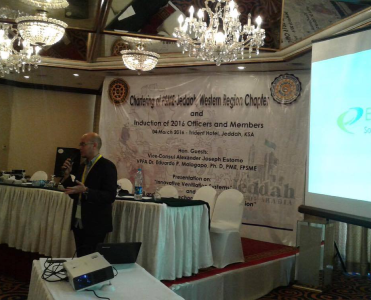
    EGPHIL was one of the sponsor and technical presenter during the Chartering of Philippine Society of Mechanical Engineers an event held on Mar. 4, 2016. During the event we had given a techinical presentation titled “Innovative Ventilation Systems”.

    We have been proud to support Engineering and Architectural organizations in Saudi Arabia. The involvement allows presentation of new and up-to-date technology in solar and energy efficiency. We have seen attendants to be keen on increasing their awareness of new technology. With the increase in electricity charges it has been observed that engineers have been charged with responsibility to research applicable solutions for greener operations. 

  • Why Saudis are Going Solar

    Why Saudis are Going Solar

    The future of energy in Saudi Arabia

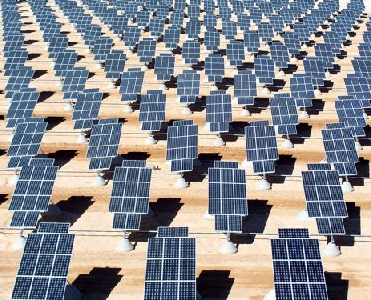
    On 140 acres of unused Nellis land, 70,000 solar panels await activation as the first third of the solar photovoltaic array gets commissioned Oct. 12 with the other 66 percent of the panels scheduled for activation in the next two months. (U.S. Air Force photo by Airman 1st Class Nadine Y. Barclay)

    Prince Turki bin Saud bin Mohammad Al Saud belongs to the family that rules Saudi Arabia. He wears a white thawb and ghutra, the traditional robe and headdress of Arab men, and he has a cavernous office hung with portraits of three Saudi royals. When I visited him in Riyadh this spring, a waiter poured tea and subordinates took notes as Turki spoke. Everything about the man seemed to suggest Western notions of a complacent functionary in a complacent, oil-rich kingdom.

    But Turki doesn’t fit the stereotype, and neither does his country. Quietly, the prince is helping Saudi Arabia—the quintessential petrostate—prepare to make what could be one of the world’s biggest investments in solar power.

    Near Riyadh, the government is preparing to build a commercial-scale solar-panel factory. On the Persian Gulf coast, another factory is about to begin producing large quantities of polysilicon, a material used to make solar cells. And next year, the two state-owned companies that control the energy sector—Saudi Aramco, the world’s biggest oil company, and the Saudi Electricity Company, the kingdom’s main power producer—plan to jointly break ground on about 10 solar projects around the country.

    Turki heads two Saudi entities that are pushing solar hard: the King Abdulaziz City for Science and Technology, a national research-and-development agency based in Riyadh, and Taqnia, a state-owned company that has made several investments in renewable energy and is looking to make more. “We have a clear interest in solar energy,” Turki told me. “And it will soon be expanding exponentially in the kingdom.”

    Such talk sounds revolutionary in Saudi Arabia, for decades a poster child for fossil-fuel waste. The government sells gasoline to consumers for about 50 cents a gallon and electricity for as little as 1 cent a kilowatt-hour, a fraction of the lowest prices in the United States. As a result, the highways buzz with Cadillacs, Lincolns, and monster SUVs; few buildings have insulation; and people keep their home air conditioners running—often at temperatures that require sweaters—even when they go on vacation.

    Saudi Arabia produces much of its electricity by burning oil, a practice that most countries abandoned long ago, reasoning that they could use coal and natural gas instead and save oil for transportation, an application for which there is no mainstream alternative. Most of Saudi Arabia’s power plants are colossally inefficient, as are its air conditioners, which consumed 70 percent of the kingdom’s electricity in 2013. Although the kingdom has just 30 million people, it is the world’s sixth-largest consumer of oil.

    Now, Saudi rulers say, things must change. Their motivation isn’t concern about global warming; the last thing they want is an end to the fossil-fuel era. Quite the contrary: they see investing in solar energy as a way to remain a global oil power.

    The Saudis burn about a quarter of the oil they produce—and their domestic consumption has been rising at an alarming 7 percent a year, nearly three times the rate of population growth. According to a widely read December 2011 report by Chatham House, a British think tank, if this trend continues, domestic consumption could eat into Saudi oil exports by 2021 and render the kingdom a net oil importer by 2038.

    That outcome would be cataclysmic for Saudi Arabia. The kingdom’s political stability has long rested on the “ruling bargain,” whereby the royal family provides citizens, who pay no personal income taxes, with extensive social services funded by oil exports. Left unchecked, domestic consumption could also limit the nation’s ability to moderate global oil prices through its swing reserve—the extra petroleum it can pump to meet spikes in global demand. If Saudi rulers want to maintain control at home and preserve their power on the world stage, they must find a way to use less oil.

    Solar, they have decided, is an obvious alternative. In addition to having some of the world’s richest oil fields, Saudi Arabia also has some of the world’s most intense sunlight. (On a map showing levels of solar radiation, with the sunniest areas colored deep red, the kingdom is as blood-red as a raw steak.) Saudi Arabia also has vast expanses of open desert seemingly tailor-made for solar-panel arrays.

    Solar-energy prices have fallen by about 80 percent in the past few years, due to a rapid increase in the number of Chinese factories cranking out inexpensive solar panels, more-efficient solar technology, and mounting interest by large investors in bankrolling solar projects. Three years ago, Saudi Arabia announced a goal of building, by 2032, 41 gigawatts of solar capacity, slightly more than the world leader, Germany, has today. According to one estimate, that would be enough to meet about 20 percent of the kingdom’s projected electricity needs—an aggressive target, given that solar today supplies virtually none of Saudi Arabia’s energy and, as of 2012, less than 1 percent of the world’s.

    The goal is not just to install solar panels across Saudi Arabia but to export them. Among the potential locations is the United States.

    Some of Saudi Arabia’s most prominent industrial firms, as well as international electricity producers and solar companies big and small, have lined up to profit from what they see as a major new market. The fact that Saudi Arabia, an ardent booster of fossil fuels, has found compelling economic reasons to bet on solar is one of the clearest signs yet that solar, at least in some cases, has become a cost-effective source of power.

    But the Saudis’ grand plan has been slow to materialize. The reasons include bureaucratic infighting; technical hurdles, notably dust storms and sandstorms that can quickly slash the amount of electricity a solar panel produces; and, most important, the petroleum subsidies that shield Saudi consumers from any real pressure to use less oil. The kingdom is a fossil-fuel supertanker, and though the captain knows that dangerous seas lie ahead, changing course is proving exceedingly hard.

    Nasser Qahtani is an oilman through and through. On a credenza in his Riyadh office, he has a souvenir glass block that holds a shot of crude from Saudi Arabia’s biggest oil field. He spent about 15 years working at an Aramco petroleum-processing plant. And he has a master’s degree from Texas A&M University, which is why he has two Aggies coffee mugs on his bookshelf. “That’s for my easy days,” he told me one morning, pointing to the smaller one. “That’s for my tough days,” he deadpanned, pointing to the bigger mug.

    Nasser has many tough days. Any shift away from oil threatens a host of entrenched powers, and as the vice governor of regulatory affairs for Saudi Arabia’s Electricity & Cogeneration Regulatory Authority, he spends much of his time trying to corral the competing constituencies to work together to modernize the country’s energy system.

    Sipping Arabic coffee while sitting beneath paintings of the same three Saudi royals who adorned Prince Turki’s office wall, Nasser underscored the extent to which his country’s energy subsidies promote waste. In October, the World Bank estimated that Saudi Arabia spends more than 10 percent of its GDP on these subsidies. That comes to about $80 billion a year—more than a third of the kingdom’s budget. “In my opinion, that’s an accurate number,” Nasser said. “This is not sustainable.”

    Also unsustainable is the opportunity cost of burning so much oil at home. Aramco sells oil to the Saudi Electricity Company for about $4 a barrel, roughly the cost of production. Even with the global price of oil down to about $60 a barrel as of this writing (a drop of about 40 percent since June 2014), Saudi Arabia forgoes some $56 on every barrel it uses at home. That gap will become far greater if, as many experts expect, the global price rebounds.

    Saudi leaders carefully calibrate the kingdom’s output to keep that global price where they want it: high enough to fill Saudi coffers but low enough to avoid spurring competitive threats. For years, analysts have debated how much oil Saudi Arabia has in the ground, with some alleging that the kingdom is far less flush than it lets on. Saudi officials maintain that they face no immediate crisis, but they talk about the need to keep in check competitors such as the U.S. shale-oil industry. A serious reduction in the oil they have available for export would hinder their ability to fend off such threats.

    Over roughly the past year, the government has toughened energy-efficiency requirements for air conditioners, imposed the country’s first-ever fuel-economy standards for cars, and begun to require insulation in new buildings. It’s moving to require that new power plants be more efficient than the ones they replace. And in March, Saudi Arabia signed a memorandum of understanding with South Korea to build the kingdom’s first two nuclear reactors, and possibly more.

    What Saudi leaders don’t appear likely to do, at least anytime soon, is cut the fossil-fuel subsidies. Many Saudis view cheap energy as a birthright, and any increase in prices would be hugely unpopular. In a speech in February, the head of the central bank called for slowly reforming the subsidies, but he gave no indication of when. In the meantime, officials are looking to what once seemed an unthinkable solution: promoting renewable energy.

    “The view initially was not to support renewables,” Nasser told me, explaining that Saudi officials feared “that if renewables were successful, we would not find customers for our commodity.” That view has changed—sort of. Should solar somehow begin to threaten the primary market for Saudi oil—as a transportation fuel—the kingdom’s calculus could shift back.

    Few places better illustrate Saudi Arabia’s energy challenge than the country’s Red Sea coast. Along a stretch of black highway running north from the coastal city of Jeddah lies a string of new infrastructure. All of it is big. All of it is named for King Abdullah bin Abdulaziz al Saud, who died in January after leading the country for a decade. And much of it was built by Aramco, which, beyond being an international oil giant, is the Saudi government’s go-to player for getting things done. There’s the new King Abdullah Football Stadium, the new King Abdullah University of Science and Technology, the new King Abdullah Economic City, and the new King Abdullah Port. To the north of all this development, in the village of Rabigh, sits an enabler of growth: a massive, oil-fueled power plant.

    Built by a Chinese firm and completed in 2012, the plant consists of two towering furnaces that produce electricity by burning heavy fuel oil. When I visited one morning this spring, a tanker sat at the pier, disgorging its liquid into one of the plant’s six circular storage tanks. Each tank holds about 14.5 million gallons of oil, which the plant typically burns in a week. In the sweltering air, the place stank like a Jiffy Lube, the kind of smell that sinks into your pores. Luai Al-Shalabi, a worker who lives in a dormitory there, told me the oily odor is ever-present: “All the time I feel it.”

    Oil isn’t the only liquid this plant requires. It also needs freshwater—more than half a million gallons a day. The plant’s furnaces burn the oil, the heat boils the water, and the steam spins the plant’s turbines. All of that freshwater isn’t readily available in this desert kingdom; the Saudis have to make much of it out of saltwater.

    Next to the power plant is a desalination plant. It’s small by Saudi standards; far bigger ones produce drinking water. Yet it still seems huge: a maze of tanks, tubes, filters, and pumps covering an area twice as large as a football field. The water the plant sucks in from the Red Sea contains about 40,000 parts per million of salt. By the time it comes out the other end, having been filtered and mixed with chemicals, its salt content is 25 parts per million. The process is a triumph of man over nature. And every step consumes electricity—which comes primarily from oil.

    Solar power presents an alluring alternative. The kingdom first began experimenting with energy from the sun in the 1970s. In 1979, the same year that unrest in the Middle East sparked a global oil shock and President Jimmy Carter had solar panels installed on the White House roof, the United States and Saudi Arabia jointly launched a solar-research station about 30 miles northwest of Riyadh, in a tiny village called Al-Uyaynah, which at the time lacked electricity.

    Work at this site languished in the 1990s and early 2000s but has picked up in the past few years. In 2010, the King Abdulaziz City for Science and Technology, the research agency that runs the station, built a small experimental assembly line there to manufacture solar panels. A year later, it more than quadrupled the line’s capacity. It plans to expand the facility again over the next several months, this time by a factor of eight.

    Prince Turki told me that Saudi officials want to add another factory elsewhere in the kingdom; it will be one of the largest outside of China. The goal, he said, is not just to install solar panels across Saudi Arabia but to export them—a way, Saudi officials hope, to create high-paying tech jobs for the kingdom’s large population of young people. (Some two-thirds of Saudis are younger than 30.) Officials also want to bankroll solar installations in other countries, to boost the market for Saudi-made panels. Among the potential locations is the United States, where Turki envisions the kingdom undercutting other solar providers in part by tapping cheap development loans from Saudi banks.

    But the factory at Al-Uyaynah shows how far the country has to go. The equipment comes mostly from Europe, and the solar cells—the square slices of silicon that make up a solar panel—are made in Taiwan. Often, as on the day I visited, the assembly line doesn’t produce much, because materials are stuck in transit. Once, a shipment of the plastic sheeting used to seal the backs of solar panels sat at a Saudi port for a month, and it melted.

    the disconnect between aspiration and reality is even starker at the King Abdullah University of Science and Technology, one of the big projects along the Red Sea coast. The multibillion-dollar campus has both a world-class solar-research lab and some stupendously energy-inefficient amenities—including, in the middle of the desert, a hotel where I found my room chilled to about 62 degrees Fahrenheit and a nine-hole golf course fully lit for nighttime play.

    The entire campus went up in about three years. It has a town square with a Quiznos sandwich shop, a Burger King, and a grocery store with an extensive selection of dates and nonalcoholic beer, all across the street from a towering white mosque. It has steel-and-wood offices and houses with red-tile roofs, both of which evoke suburban California. And it has a faculty of experts recruited from around the world.

    The Saudis spend about $80 billion a year—more than a third of the kingdom’s budget—on domestic energy subsidies.

    Among them is Marc Vermeersch, a Belgian physicist and materials scientist who arrived in January after spending several years in Paris heading up solar work at Total, the French oil giant. Vermeersch told me that although no expense was spared in setting up the university’s solar laboratory, the money wasn’t wisely spent. The lab includes half a dozen highly specialized printers—including one that cost about $1 million—that apply coatings to surfaces, a process important in researching futuristic solar-panel technologies. But because Saudi Arabia wants to ramp up solar power soon, Vermeersch and his colleagues are reconfiguring the lab to focus on nearer-term research, work he hopes will pay off in the next few years.

    The university houses an incubator for technology start-ups, including a firm founded on the premise that there’s good money to be made in keeping solar panels clean in the desert. The company’s creator is Georg Eitelhuber, an Australian-born mechanical engineer who came to the university in 2009, the year it opened, to teach physics at a high school on the campus. “King Abdullah made me an offer I couldn’t refuse,” Eitelhuber told me kiddingly, in an Aussie accent.

    In late 2010, Eitelhuber attended a ceremony at the university for which “a bunch of bigwig managers” gathered to christen experimental solar panels. But a dust storm had blown in, covering the panels and threatening to nix the photo op. With the temperature hovering at about 115 degrees and “everyone sweating bullets,” he said, “guys with squeegees” swept in to wash down the panels. Incredulous, Eitelhuber asked how solar panels are normally cleaned. “This is it,” he was told. “It was clear to me this was going to be the big new problem of a new industry in the Middle East.”

    With seed funding from the university, he and some colleagues set about designing a waterless system. “The idea of using desalinated water that’s desalinated using oil,” he said, “is just a big green wash.” Five years later, his company has a late-stage prototype—a long metal rod with lines of brush bristles, powered by the panels—and several solar-panel manufacturers are testing the device. Eitelhuber plans to start installing it on solar farms next year.

    Aramco is the most important player in the kingdom’s shift to solar power. The company’s initial forays have been tiny—a solar-panel array next to one of its office buildings, for example—but its plan to break ground on 10 or so bigger solar projects next year seems to represent the start of a more serious commitment. A high-ranking Saudi official told me he expects Saudi Arabia to develop an initial tranche of a few gigawatts of solar capacity over the next five years. The projects will be in places where the cost of conventional fuel is high, either because the sites are remote or because they use diesel. (Saudi Arabia has historically had to buy large quantities of diesel at international prices because its refineries can’t process enough to satisfy domestic demand.)

    Even at these cherry-picked sites, solar power is likely to cost more than electricity from the existing conventional plants—but only because those conventional plants get oil at a subsidized price. This explains why the government, not the private sector, is making most of the investment in solar. Private companies are waiting for the government to offer up a slate of contracts that would, in effect, allow solar energy to compete with artificially cheap oil-fired electricity.

    One of the biggest firms waiting in the wings is Acwa Power International, which is based in Riyadh and owns and operates power and desalination plants in the Middle East, Africa, and Southeast Asia. In the past few years, Acwa Power has signed contracts to produce solar power in several countries—places where the price of conventional electricity is higher than in Saudi Arabia.

    Earlier this year, it won a bid to build a solar farm in Dubai. The price at which Acwa Power agreed to sell electricity from that solar farm—5.84 cents a kilowatt-hour—turned heads among solar watchers the world over. It was heralded as signaling a new era of cost competitiveness. Paddy Padmanathan, Acwa Power’s president and CEO, told me he’s confident the company will make a healthy profit over the 25 years of the deal. “All of a sudden, renewables are becoming a very competitive proposition,” he said.

    Taqnia, a state-owned company, is finalizing a deal to provide solar energy for 5 cents a kilowatt-hour—a price that may be the cheapest in the world.

    Acwa Power hasn’t yet developed any solar projects in Saudi Arabia. But Prince Turki told me that Taqnia, the state-owned company he chairs, is finalizing a deal to provide solar energy to the Saudi Electricity Company for 5 cents a kilowatt-hour—even less than the price Acwa Power recently agreed to in Dubai. “It’s the cheapest in the world that I know of,” Turki said.

    That deal may be a tantalizing sign of things to come, but the goal Saudi Arabia announced three years ago of building 41 gigawatts of solar capacity remains a distant glimmer. In January, Saudi officials announced that they were pushing back the target date from 2032 to 2040—and even with the longer time frame, skeptics have dismissed the goal as a mirage.

    Proving them wrong would require reshuffling an economic deck that the kingdom’s leaders have stacked for decades to favor petroleum. In that sense, Saudi Arabia’s energy challenge is a more extreme version of the one that faces the rest of the world. But if the kingdom’s leaders can find the political courage to act decisively, Saudi Arabia, of all nations, could become a model for other countries trying to shift away from oil.

    Repost from: http://www.theatlantic.com/magazine/archive/2015/07/saudis-solar-energy/…