Tag: Solar Panels

  • Are Solar Panels Safe? A complete Guide

    Are Solar Panels Safe? A complete Guide

    In the modern-day world, where everyone starts to care about the environment and learn about the harm of energy created by fossil fuels, solar energy has become a popular alternative source of electricity. However, there are a few questions that come to mind regarding solar: is solar energy safe? Is Home Solar Power Dangerous? Does it have any associated health risks, and what other precautions should be taken when installing them? 

    Worry not; we are here to burst these speculation bubbles. In this guide, we’ll explore the safety of utilizing solar power and answer all the necessary queries so you can make an informed decision on home solar power.

    Keep reading!

    Understanding The Basics Of Solar Energy Safety

    It’s essential to determine how a solar photovoltaic system works before assessing its safety. These solar panels receive direct sunlight and turn it into electricity using an inverter. 

    This electrical energy is then transmitted utilizing alternating or direct current (AC) to provide power for your home or office. 
    Understanding The Basics Of Solar Energy Safety

    The National Electric Code has outlined minimum standards for all installations related to photo-voltaic technology, such as installing grounding equipment and bonding hardware apart from other electric paraphernalia.

    Precautions To Take Before Installation
    Precautions To Take Before Installation

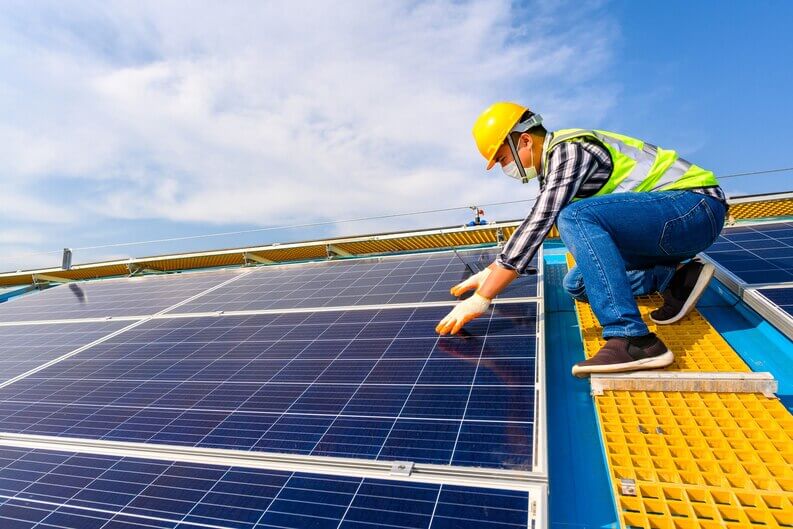
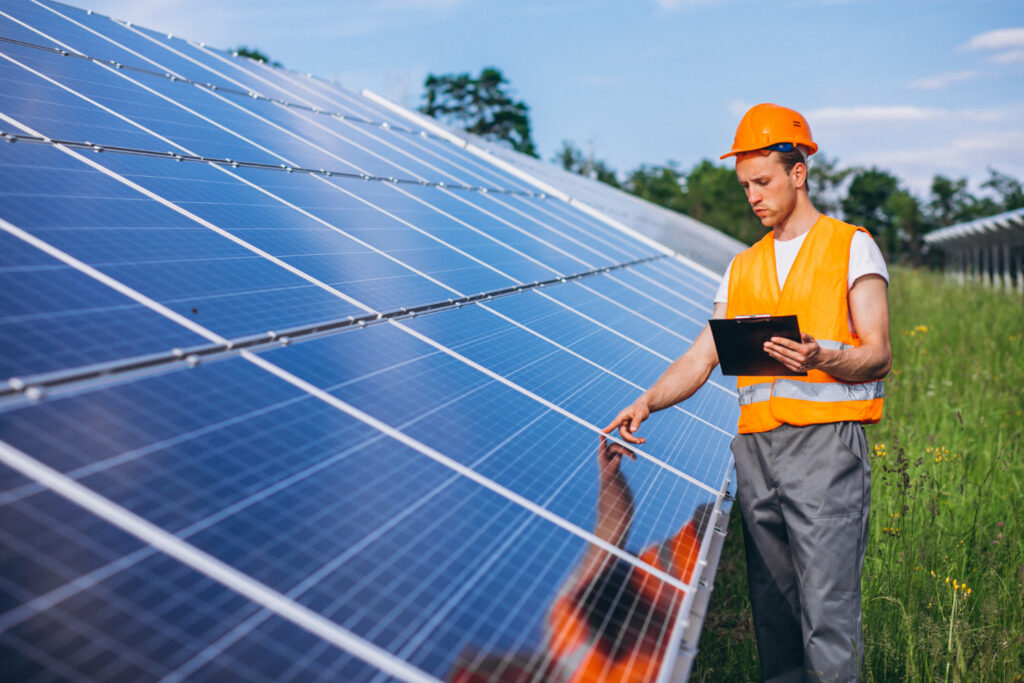
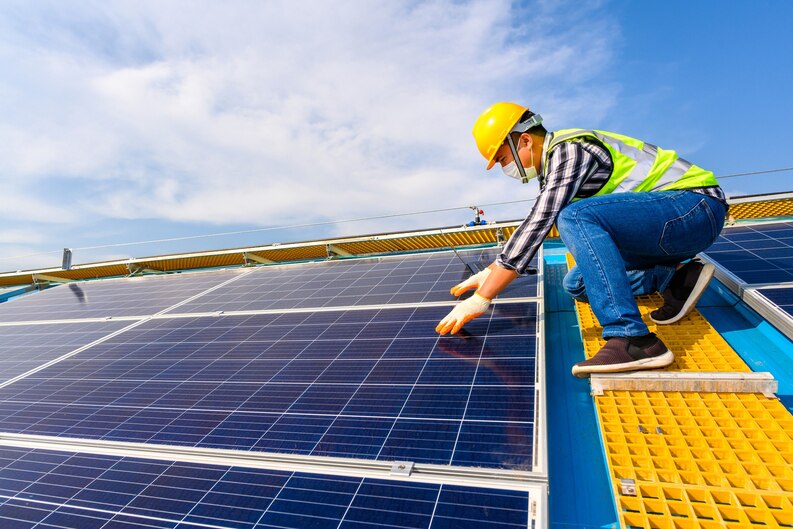
    Handling Solar panels all by yourself is prohibited if you are not an expert. There are some precautions that you need to follow at any cost. Take a look:

    • Solar panels can generate large amounts of electricity, which must be managed cautiously. If not, it could lead to serious, even fatal, in some cases like electric shocks. So, ensure that wiring connections are installed safely by an experienced professional. This is the key to avoiding any unfortunate accidents. 
    • All wiring should be enclosed within an appropriate conduit approved for use so they can remain protected from damage caused by moisture and corrosion over time.
    • When it comes to roof installation, Ensure that the PV cells are firmly attached to your roof. This will prevent them from becoming loose in strong winds or storms, causing damage or injury.
    • Everyone needs to stay away from exposed wires or connectors on the rooftop as those can lead to hazardous situations resulting in electrocution and potential fire hazard due to a short-circuiting or overloading circuit.
    • When installing any electrical equipment, such as wiring for PV systems and other appliances like air conditioners, comply with all local laws and regulations regarding electricity codes. It is necessary because these safety instructions may differ depending on where you live or different building standards etc.

    Is Home Solar Power Dangerous?

    No, home solar power is not dangerous. When the systems are correctly installed and maintained, residential solar panels pose no danger at all. The photovoltaic cells in these systems convert sunlight into electricity; made of silicon, they create energy without risking people or property.

    Is Home Solar Power Dangerous?

    There’s no risk of electrical shock or fire from these cells since they’re not conductive. Plus, the wiring in a solar installation is designed to safely handle any current produced by your system without causing danger.

    Moreover, modern home solar systems come with multiple layers of protection against overvoltage and overheating, minimizing potential risks when using residential panel systems.

    Debunking Myths About Health Hazards From Solar Panels
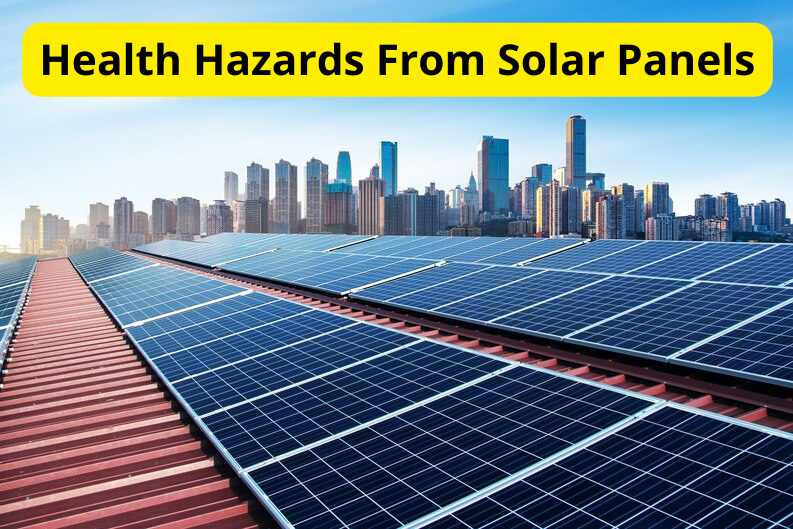
    Debunking Myths About Health Hazards From Solar Panels

    When it comes to solar energy, one of the biggest concerns is that solar panels are harmful to health. It’s understandable why people would think twice about this; electricity can cause serious harm if not handled carefully.

    However, the answer is No, solar panels are not harmful to human health. Evidence has not been found linking their use to adverse effects on humans.

    But there are many myths regarding potential safety risks, and we must differentiate between facts and fiction when deciding whether or not they’re safe for us.

    Myth One: Do Solar Panels Produce Dangerous Levels Of Radiation?

    It just isn’t true that solar panels emit much electromagnetic radiation; it’s way less than what could harm humans. Also, solar waves don’t penetrate the body like ionizing radiation, so there’s no danger of harm or damage from them. In addition, most solar panel systems are installed with low voltage (around 12V) instead of higher voltages like electricity and gas, which present a greater risk if handled incorrectly.

    Moreover, in case you overload or overheat it, many modern panels have inbuilt mechanisms, such as an automatic shutoff system. This way, any potentially hazardous conditions will be avoided altogether. 

    Plus, these systems usually come equipped with UV protection layers meaning ultraviolet rays won’t affect anyone exposed even if they weren’t properly installed by someone experienced.

    Myth 2: Solar Panels Increase Chances Of Getting Cancer

    People sometimes mistakenly think installing Solar Panels increases their chances of getting cancer or other health problems – this is not true either!

    Contrary to popular belief, research has no evidence supporting this urban myth. Moreover, no data will back how much radiation an individual would get upon living nearby or beneath a cluster of solar panels. 

    These arrays don’t produce any emissions after dark when they are not energizing, so you are safe in and out.

    Myth 3: Electromagnetic Fields Generated By Solar Cells Cause Health Problems

    Some worry that too many cells can generate an “electromagnetic field” around their homes, leading to health problems. However, this isn’t inaccurate since these fields quickly dissipate once you move away from them. 

    A solar panel system is designed so that each cell produces enough electricity to power the system. This means even when numerous cells in panels are connected, there is not nearly the energy produced to create dangerous levels of EMF exposure near where people may live or work. 

    Besides, electromagnetic radiation emissions depend on your location, frequency type, and nearby structures like public buildings and airports, etc..

    Risk Regarding Solar Panels
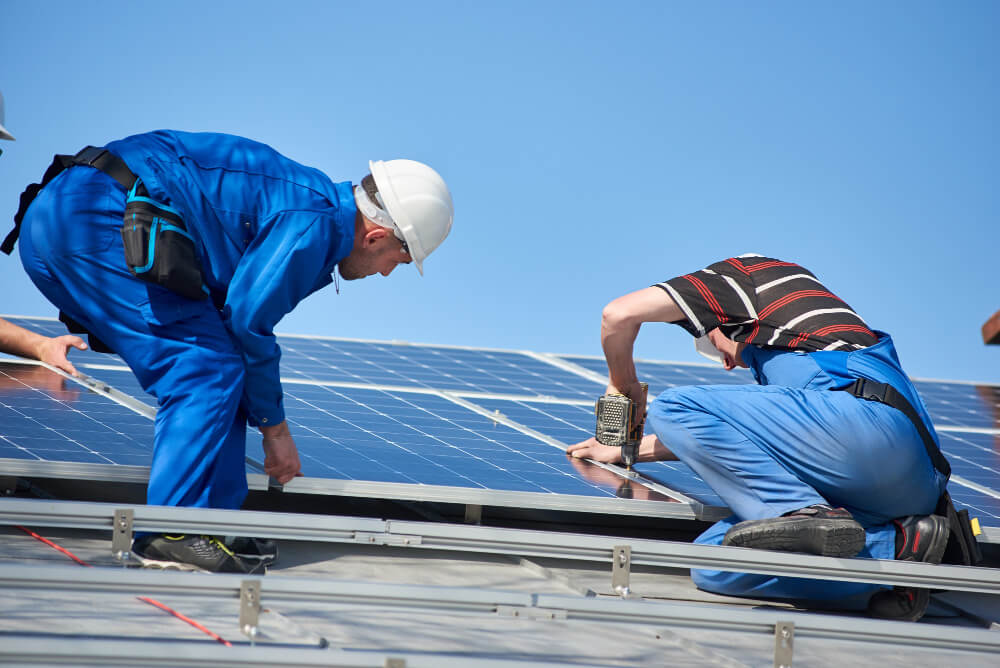
    Risk Regarding Solar Panels

    Everything that feels too good to be true is a false lie. So, here are some risks related to solar panels:

    • Utilizing solar panels involves risks, like fire hazards and potential safety problems, if not checked or serviced regularly by qualified technicians.
    • The location of panels is always a factor. If there is less sunlight in your living area, it will not generate enough energy, rendering it unfeasible economically.

    Conclusion

    Is solar energy safe? The answer is solar panels are a trustworthy source of renewable energy. It is becoming more popular due to its reliability compared to traditional energy production sources. Besides, it’s secure for humans and our environment, as the probability of physical harm and environmental damage with properly-installed solar panel systems is significantly lower. 

    Although some challenges could be connected to the setting up process, they can easily be rectified with suitable installation and maintenance procedures. As technology advances in this area, we can expect an even safer result when creating clean, sustainable electricity that anybody can enjoy.
  • How Many Solar Panels Do I Need to Power a House?

    How Many Solar Panels Do I Need to Power a House?

    In modern times, going green has become more critical than ever. So, to join hands in this environmental change, optioning for solar panels by ditching traditional electricity mediums is a suitable approach. Not only will it reduce your energy bills, but it will also help the environment by reducing your carbon footprint, ultimately, global warming. 

    Besides, a properly installed solar power system can drastically reduce or even eliminate your electricity costs. But before you head into the solar installation process, you need to understand how many solar panels do I need to power a house completely?

    As simple as it may seem, there are a few variables involved in finding the correct answer. In this blog, we’ll explore various factors that affect the number of solar panels needed to power a house. We will also answer common questions that you may have before switching to solar power for your home.

    Determining Your Energy Requirements Demand

    Determining Your Energy Requirements Demand

    To begin calculating how much solar power you will need, it is crucial to understand your average energy consumption. The amount of solar panels you need for your home depends on how much electricity you consume during 24 hours. You must review your utility bills to determine your monthly and annual electricity usage in kilowatt-hours (kWh).

    A family that uses more electrical appliances will need more solar panels. On average, a U.S. residential utility customer consumes around 10,632 kWh per year, or approximately 900 kWh per month and 30 kWh per day.

    However, this varies based on the family’s size, the number of energy-efficient appliances they own, and their daily activities. So, analyzing your personal energy consumption over the past year is recommended to get a more accurate estimate.

    Understanding Solar Panel Wattage

    Understanding Solar Panel Wattage

    A solar panel’s wattage, size, and capacity are crucial in determining how many solar panels properly power a house. Solar panel wattage refers to the power output of a solar panel under ideal conditions.

    It is measured in watts (W), typically 300 to 400+ watts per panel. The higher the wattage per panel, the fewer panels you will need.

    For calculation, let’s consider 400-watt panels as a common standard. Remember that higher-wattage panels can produce more electricity, potentially reducing the total number of required panels.

     Number Of Solar Panels Needed For Specific System Sizes

    System sizePanels RequiredEstimated annual production
    4 kW106,400 kWh
    6 kW159,600 kWh
    8 kW2012,800 kWh
    10 kW2516,000 kWh
    12 kW3019,200 kWh
    14 kW3522,400 kWh

    Estimating Production Ratio

    The production ratio of a solar panel system represents the ratio of its estimated energy output over time to its actual system size. This ratio varies based on geographic location and the sunlight your system receives.

    Estimating Production Ratio

    In the United States, production ratios typically range between 1.3 and 1.6. Considering this ratio when calculating the number of solar panels needed is essential.

    Calculating The Number Of Solar Panels

    To determine the number of solar panels required, use the formula:

    Number of Panels = Annual Electricity Usage / Production Ratio / Panel Wattage

    1. Let’s use an example to illustrate this calculation. Suppose your annual electricity usage is 10,632 kWh, and you are considering 400-watt panels with a production ratio of 1.6. Plugging these values into the formula, we get

    the Number of Panels = 10,632 kWh / 1.6 / 400 W.

    This calculation results in approximately 17 solar panels.

    1. Consider another example: If you have a larger home with higher energy consumption, let’s say 15,000 kWh annually, the calculation would be as follows:

    Number of Panels = 15,000 kWh / 1.6 / 400 W.

    This calculation yields approximately 24 solar panels required to meet your energy needs.

    Factors Affecting Solar Panel Requirements

    Several factors can influence the number of solar panels needed for your situation. It is essential to consider these factors to ensure accurate calculations and optimal energy production. Take a look at

    Factors Affecting Solar Panel Requirements

    1. Geographic Location And Sunlight Availability

    The amount of sunlight your location receives plays a significant role in the energy production of your solar panel system. Like New England, regions with more sunlight, such as California, may require fewer panels than regions with fewer peak sunlight hours.

    Understanding the peak sunlight hours in your area will help determine the number of panels needed. If your location receives more sunlight, you might need fewer solar panels to cover your electrical needs.

    2. Home Size And Energy Consumption Habits

    Your home’s size and energy consumption habits also impact the number of solar panels required. Larger homes with higher energy consumption generally need more panels to meet their electricity needs.

    Furthermore, specific appliances or add-ons, such as electric vehicles or heated swimming pools, can significantly increase energy usage and, consequently, the more solar panels needed to power the house.

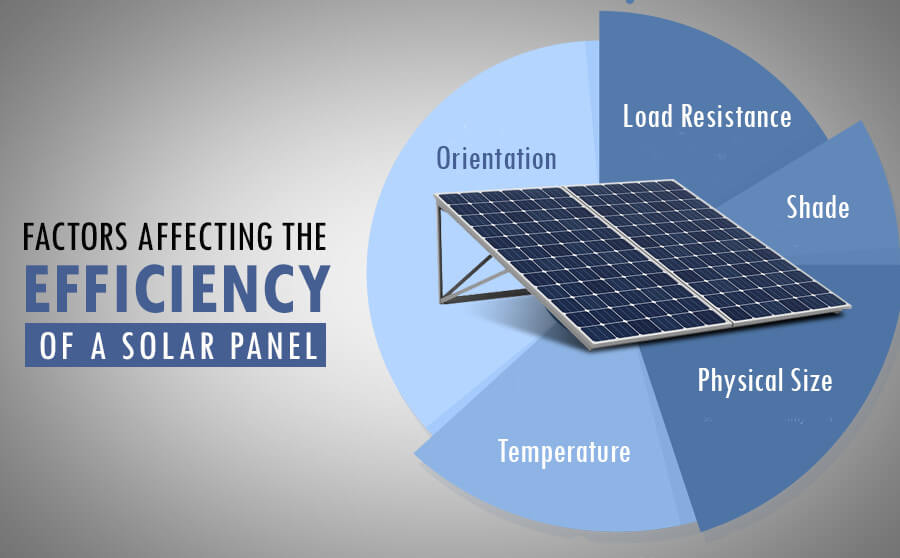
    3. Solar Panel Efficiency

    The efficiency of solar panels affects their power output and, subsequently, the number of panels required.

    Higher-efficiency panels can produce more electricity, potentially reducing the total number of solar panels needed to generate the desired energy output.

    4. Roof Space Availability

    The available roof space for solar panel installation is another crucial factor. Smaller roofs may limit the number of panels that can be installed, necessitating more efficient or higher-wattage panels.

    In contrast, larger roofs may allow for the installation of larger panels, potentially reducing the total number required. Take a look at the sq footage of different size solar panels chart:

    Square footage of different size solar panel systems

    System size300 W panels (sq. feet)340 W panels (sq. feet)360 W panels (sq. feet)400 W panels (sq. feet)
    4 kW234207195176
    6 kW351310293264
    8 kW468413390351
    10 kW585517489439
    12 kW702620585527
    14 kW819723683615

    5. Direction And Tilt Of Panels

    The direction and angle of the panels on your roof will affect the number of solar panels your home needs. If your panels are positioned correctly, you may need fewer solar panels. 

    Ideally, solar panels should face south or north. A pitched roof is best for the panels to receive sunlight throughout the day, producing maximum energy

    Things To Consider Before Solar Panel Installation

    When considering solar panel installation, it is essential to consider a few additional factors.

    Things To Consider Before Solar Panel Installation

    1. Roof Suitability And Structural Capacity

    Before installing solar panels, it is crucial to assess the suitability of your roof and its structural capacity. 

    Solar panels add weight to your roof, so they must be strong enough to support the panels and withstand the elements.

    2. Cost And Return On Investment

    The cost of solar panels and installation can vary based on location, incentives, and other factors. Considering the upfront cost and potential long-term savings when evaluating the number of panels needed is essential. 

    Your budget may significantly impact the number of solar panels you will use. Investing in a better class of solar panels will directly reduce system replacement, maintenance, and electricity bills.

    3. Net Metering

    Net metering allows you to earn credits for excess solar energy produced and fed back into the grid. These credits can offset electricity usage during periods of low solar production, such as at night. 

    Understanding the net metering policies in your area can further enhance the financial benefits of solar panel installation.

    Conclusion

    Determining the number of solar panels needed to power your home involves evaluating your energy requirements, location, panel efficiency, and panel wattage. By considering these factors and utilizing the provided calculation formula, you can estimate the number of panels necessary for your situation. According to our estimates, a typical home would require between 17 and 21 solar panels to achieve 100 percent efficiency.

    Remember to account for geographic location, home size, energy consumption habits, and available roof space. With careful planning and consideration, you can harness the power of solar energy to meet your electricity needs while reducing your environmental impact.

  • Do Solar Panels Work On Cloudy Days? | Unbelievable Truth

    Do Solar Panels Work On Cloudy Days? | Unbelievable Truth

    Clean and renewable energy sources aren’t a new concept, but there’s been a recent boom in solar energy systems. A large portion of people are trying to lead a sustainable lifestyle and considering solar panel installations. 

    However, many people remain skeptical about their effectiveness, especially on do solar panels work on cloudy days. After all, isn’t sunshine the primary source of energy for solar panels? The truth is solar panels can still generate electricity even on cloudy days. This blog will explore the science behind solar panels and how they function in less-than-optimal weather conditions.

    Solar Panels & Working Science Behind The Scene

    Solar Panels & Working Science Behind The Scene

    Before delving into the details of how solar panels perform on cloudy days, it is essential to understand what they are and how they generate electricity

    Solar panels are a collection of photovoltaic cells (solar cells) that convert sunlight into electricity. These cells consist of sandwiched layers of silicon that collect sunlight and release electrons to generate a flow of electricity. 

    Then, the voltage from each cell, usually around 0.5 to 1 volt, is combined to form a module, which typically generates about 200 to 300 watts of electricity. This process is called the photovoltaic effect. 

    When sunlight hits these cells, it creates an electric field that can be harnessed to produce an electric current. The efficiency of this process is affected by various factors, including the intensity and duration of the sunlight.

    Do Solar Panels Work On Cloudy Days

    On a clear, sunny day, solar panels will produce the maximum amount of electricity because they receive the most intense and direct sunlight. However, even on a cloudy day, solar panels can still generate a significant amount of electricity showing 10 to 25% efficiency.

    It is because, while the intensity of the sunlight may be reduced, the diffused light that can still reach the panels can still be converted into energy. Moreover, modern solar panels are designed to handle less-than-optimal weather conditions. They are built to be durable and efficient, even when exposed to humidity, rain, and low light conditions.

    Besides, many solar panel systems use a grid-tied inverter that converts the DC electricity produced by the panels into AC electricity for use in the home. These inverters are designed to handle fluctuations in the electricity supply, ensuring that the energy is always available to power the home.

    Furthermore, solar panels are known to perform better in colder temperatures than they do in sweltering conditions. This is because cooler temperatures increase the conductivity of the photovoltaic cells, making them more efficient at producing electricity.

    What Are The Best Solar Panels For Cloudy Days?

    What Are The Best Solar Panels For Cloudy Days?

    Monocrystalline silicon solar panels are often the ideal choice for maximum efficiency in cloudy weather. These panels are created by high-quality melting silicon and casting it into molds. 

    They are highly efficient in low-light conditions but more expensive than polycrystalline solar panels. Besides, thin-film solar panels are an excellent option for cloudy weather as they require less direct light to function correctly.

    Do Solar Panels Work At Night?

    Solar panels don’t work at night since no solar irradiation produces electrons to generate current.  However, with the help of a battery bank, a solar system can generate energy and store the electricity generated from solar panels. This stored electricity can be utilized at night or with minimal solar panel output.

    Do Solar Panels Work In The Shade?

    Solar panels require direct sunlight, ideally without shade. But that doesn’t mean you can’t install them in a shaded area. Even in the shade, solar panels can generate electricity. However, the panels’ output is reduced, with the amount of power output depending on the level of shade the panels experience. 

    Nevertheless, modern solar technologies, such as bifacial solar panels and clear back-contact solar panels, are being developed, which can generate electricity from both front and rear surfaces, bypassing shade.

    Tips To Increase The Efficiency of Solar Panels On A Cloudy Day

    Tips To Increase The Efficiency of Solar Panels On A Cloudy Day

    Cloudy days can pose a challenge to the efficiency of your solar panels, but there are several measures that you can take to improve their performance. Let’s take a look at the following:

    1. Choose High-Quality Solar Panels

    High-quality solar panels are built to withstand severe weather conditions. Look for panels designed with advanced photovoltaic technology that maximizes power output, even on cloudy days. 

    Choose a trusted manufacturer of solar panels that specializes in producing high-quality panels that can withstand harsh weather environments.

    2. Clean Your Solar Panels Regularly

    Dirty solar panels can reduce energy output. Dust, dirt, and other debris can accumulate on your solar panels over time. 

    Make sure to clean your solar panels regularly to ensure maximum efficiency. You can clean your panels using a soft brush and water or hire professional cleaners to do the job.

    3. Consider Battery Storage

    Battery storage systems are a splendid way to store excess energy your solar panels produce. When your panels produce more energy than you need, you can keep the extra energy in batteries that you can use later when the sun isn’t shining as bright.

    Battery storage systems are designed to provide backup power when your solar panels are not producing energy. They are also the perfect solution for areas with intermittent power supply.

    4. Optimize Your Solar Panel Placement

    The placement of your solar panels is crucial to their efficiency. Make sure to place your panels in a location that receives adequate sunlight throughout the day.

    Avoid placing your panels in shaded areas or under trees, as this will affect their efficiency. You can consult with a solar panel expert to help you optimize the placement of your panels.

    5. Monitor Your Solar Panel System

    Regularly monitoring your solar panel system can help you identify problems and improve efficiency. Some solar panel systems come with built-in monitoring systems that allow you to track how much energy your panels are producing each day. You can use this data to optimize your solar panel system and identify efficiency issues.

    Conclusion

    To find the answer, “Do solar panels work on cloudy days?” We concluded that Solar panels can still generate electricity even on cloudy days. The diffused light that is able to reach the panels can still be converted into energy, and modern solar panel systems are designed to handle less-than-optimal weather conditions.

    However, it is essential to note that the amount of electricity generated on a cloudy day may be less than on a sunny day, but it can still be a significant amount that can power the home. Also, monocrystalline silicon solar panels are the best choice for cloudy weather, while bifacial solar panels can be the right choice for partially shaded areas.

  • Why Are Solar Panels So Expensive?

    Why Are Solar Panels So Expensive?

    Solar panels have gained popularity in recent years as an environmentally-friendly and cost-effective solution for generating electricity. However, the price tag associated with solar panel installations can sometimes deter homeowners. 

    Is solar energy expensive? In this article, we will delve into why solar panels are expensiveand explore the various factors contributing to their cost.

    How Much Do Solar Panels Cost: Understanding The Numbers

    To comprehend why solar panels are expensive, let’s first examine the average cost of a solar panel system. On average, a residential solar panel system can cost between $13,000 and $20,000. 

    It’s important to note that the system’s size and your home’s specific requirements can influence the final price. While these numbers might seem daunting, it’s essential to consider the long-term benefits and savings that solar panels can provide. 

    In recent years, the cost of solar panels has dropped significantly, making them more accessible to homeowners. In 2010, the average residential solar system cost was a staggering $40,000. Today, that cost has been reduced to approximately $12,000 to $18,000, with further price reductions expected.

    Factors Impacting Solar Panel Costs

    Factors Impacting Solar Panel Costs

    Solar energy cost is expensive and several factors contribute to the expenses associated with solar panels. By understanding these factors, you can make informed decisions and find ways to reduce the overall cost of solar panel installations. Take a look at the main factors impacting solar panel costs:

    1. Type Of Solar Panel

    The type of solar panel chosen for installation can heavily influence the cost. Three main types of solar panels are available for residential use: 

    • Polycrystalline: Polycrystalline panels are the most affordable, ranging from $0.70 to $1 per watt. 
    • Monocrystalline: Monocrystalline panels are more expensive due to their higher efficiency and can cost between $1 and $1.50 per watt. 
    • Thin-film: Thin-film panels with a price tag of $0.43–$0.70 per watt are flexible and easier to produce.

    2. Raw Material Costs

    The materials used in the production of solar panels, such as silicon and lithium, contribute to their high price. Silicon is crucial in converting sunlight into electricity, while lithium is used in solar system batteries.

    Besides, some solar panels incorporate silver or silver-coated silicon wafers, which enhance efficiency and increase manufacturing costs. Steel or aluminum is also utilized for the panel arrays, adding to the overall cost.

    3. Installation Parts

    The equipment required to install solar panels, such as mounts and inverters, adds to the overall cost. 

    Mounting options vary in price, with fixed mounts being the most affordable, adjustable mounts falling in the mid-range, and tracking mounts being the most expensive.

    Inverters, which convert DC to AC, can cost between $1,000 and $1,500, depending on the size of the system.

    4. Labor & Other Expenses

    The labor costs involved in installing solar panels and other expenses such as electrical work, permits, and inspections contribute to the overall cost. 

    Hiring a professional solar panel installer typically incurs labor costs ranging from $1,000 to $3,000.

    Electrical labor costs, if necessary, can range from $100 to $500. Permitting and inspection fees generally account for around 1% to 3% of the total project budget.

    5. Efficiency

    The efficiency of solar panels, which refers to their ability to convert sunlight into electricity, can impact the cost. 

    • Monocrystalline panels are known for their high efficiency but come with a higher price tag as they are made from a single large silicon block.
    • Polycrystalline panels, while slightly less efficient, offer a more affordable option. 
    • Thin-film panels, although less efficient than the other two types, are more accessible and less expensive to produce.

    6. Location

    The cost of solar panel installations can vary from state to state due to local quoting trends and differing system size requirements. Each state has its own average system size and incentives, which can affect prices accordingly.

    7. Roof Characteristics

    The characteristics of your roof, such as its pitch, can impact the complexity and cost of the installation. 

    A more complex roof may require additional labor and materials, leading to higher expenses. The difficulty of the installation can vary, and solar panel companies often charge accordingly.

    Ways To Save On Solar Panel Costs

    Ways To Save On Solar Panel Costs

    Although solar panels can come with a significant upfront cost, there are various ways to mitigate expenses and make the investment more affordable. 

    Consider the following strategies to save on solar panel costs:

    1. Request Multiple Quotes

    To ensure you get the best price for your solar panel system, it is advisable to request multiple quotes from different solar companies. By comparing the quotes, you can better understand the fair market price in your area.

    2. Option DIY Installation

    For those with the necessary skills and knowledge, installing solar panels yourself can save a significant amount of money.

    However, it’s important to note that DIY installation is only recommended for some, as it can be complex and potentially dangerous. 

    So, it’s crucial to thoroughly research and understand the installation process before attempting it on your own.

    3. Look For Good Warranties

    While it may be tempting to opt for cheaper solar panels, investing in high-quality panels with strong warranties is a wiser choice in the long run. 

    Cheap panels may have a shorter lifespan and require costly repairs or replacements. Look for reputable brands that offer reliable products and comprehensive warranties.

    4. Look For Tax Credits And Incentives

    Many governments and local authorities offer tax credits, incentives, and rebates to promote the adoption of solar energy. 

    These incentives can significantly reduce the overall cost of installing solar panels. Research the available incentives in your area and take full advantage of them to maximize your savings.

    Conclusion

    Solar panels are undoubtedly expensive. As we have explored in this article, the cost of a complete installation can be high due to several factors, such as the quality of materials used, installation costs, and the need for a site survey. 

    However, there are ways to reduce the expense of solar panel installations, such as opting for second-hand materials or choosing a low-cost installer. With some research and planning, it is possible to significantly reduce the cost associated with a solar panel installation without compromising quality.